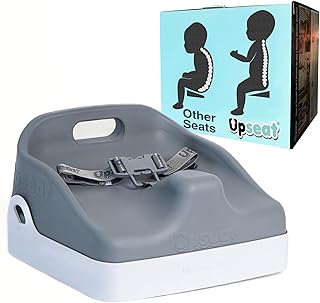
Best Practices for Cleaning and Maintaining Booster Seats
As parents navigate the world of child safety, understanding how to properly clean and maintain booster seats is essential in 2026. With advancements in materials and safety features, booster seats have become a staple in ensuring children are secure during car journeys. However, regular maintenance and cleaning are crucial to ensure these seats function optimally. This article provides detailed guidance on the best practices for cleaning and maintaining booster seats, ensuring safety and hygiene for your little ones.
Understanding Booster Seat Materials
Booster seats are made from a variety of materials, each requiring specific cleaning techniques. In 2026, many booster seats feature fabric covers that can be removed and washed, as well as plastic components that need to be sanitized. Understanding the materials involved is the first step in effective maintenance.
Most booster seats utilize a combination of high-density foam and durable fabrics designed to withstand wear and tear. These materials are often treated to resist stains and spills, but regular cleaning is still necessary to maintain their integrity. For instance, spills of juice or food can quickly become ingrained if not addressed promptly. Therefore, parents should be proactive in cleaning these surfaces.
Cleaning Fabric Covers
For booster seats with removable fabric covers, follow these steps:
- Check the manufacturer's label for specific washing instructions.
- If safe, machine wash the cover on a gentle cycle using mild detergent.
- Air dry the cover completely before reattaching it to the seat.
If the cover is not removable, spot cleaning with a damp cloth and mild soap is advisable. In 2026, many parents are opting for steam cleaners to effectively sanitize and refresh fabrics without the need for harsh chemicals.
People Also Look For:
- Hoffenbach 12x Baby Corner Protectors & 6.2m Soft Foam Edge Guard for Kids – Self-Adhesive Bumpers for Child Safety, Furnit...
- Polar Gear Portable Booster Seat with Matching Place Mat – Baby Chair with Integrated Pocket – for Toddlers Aged 1â...
- GYMAX 4 in 1 High Chairs, Convertible Baby Dining High Chair with Adjustable and Removable Tray & 5-Point Seat Belt, Multifunction...
- KIDUKU® Safety Car Seat | Booster Seat | 3 in 1 | for Childs and Babys from 9-36 kg (20 lbs - 80 lbs) or 1-12 Years | Convertible...
- Venture Booster seat Dining Chair, Portable & Wipe Clean Baby Chair, removabl Tray with Toys
Sanitizing Plastic Components
The plastic parts of booster seats are just as important as the fabric covers. These components can harbor germs and bacteria, especially in high-use environments. In 2026, using non-toxic sanitizing sprays that are safe for children is recommended. Regularly wiping down the plastic surfaces with these products helps eliminate harmful pathogens.
Step-by-Step Sanitization Process
Here is a simple process for sanitizing the plastic components:
- Remove any detachable parts according to the manufacturer's instructions.
- Use a soft cloth or sponge to apply the sanitizing solution.
- Pay special attention to crevices and seams where dirt may accumulate.
- Rinse with clean water and allow to air dry completely.
In 2026, many parents are embracing eco-friendly cleaning solutions, making it easier to maintain a clean environment without exposure to harmful chemicals. This shift not only benefits children but also contributes to a healthier planet.
Routine Checks and Maintenance
Beyond cleaning, regular maintenance checks are essential for ensuring the booster seat remains safe and functional. Parents should inspect the seat regularly for any signs of wear or damage. In 2026, being aware of the lifespan of booster seats is vital. Most booster seats are designed to last several years, but regular checks can help identify when it is time for a replacement.
What to Look For
Here are key elements to inspect regularly:
- Cracks or deformities in the plastic frame
- Fraying or damage to the fabric cover
- Missing parts or hardware
- Signs of mold or mildew
Addressing minor issues promptly can prevent more significant problems and ensure the booster seat continues to provide safety for children. In 2026, many manufacturers offer extended warranties or guarantees, providing additional peace of mind for parents.
Storage and Transportation Tips
Proper storage and transportation of booster seats also play a crucial role in their longevity. In 2026, parents often find themselves traveling frequently, making it essential to protect the seat from damage during transport. When not in use, booster seats should be stored in a clean, dry place away from direct sunlight to prevent fading and degradation of materials.
When traveling, consider using a protective cover designed specifically for booster seats. This not only keeps the seat clean but also protects it from potential impacts during transport. Some parents opt to use a travel bag with extra padding for additional protection.
Travel Tips
To ensure safe transportation of booster seats, follow these guidelines:
- Secure the booster seat with seat belts or straps to prevent movement.
- Avoid placing heavy items on top of the booster seat.
- Check the condition of the booster seat after travel to ensure it has not been damaged.
In 2026, many parents are also utilizing technology to assist with maintenance reminders, ensuring that cleaning and checks are not overlooked. With the demands of daily life, these tools can be invaluable in managing child safety equipment.